U.S. COIN COLLECTING GUIDE
Mintage versus rarity: why a low number is only the start
Mintage counts coins originally made. It does not count the coins surviving today in collectible condition, nor does it set a sale price.
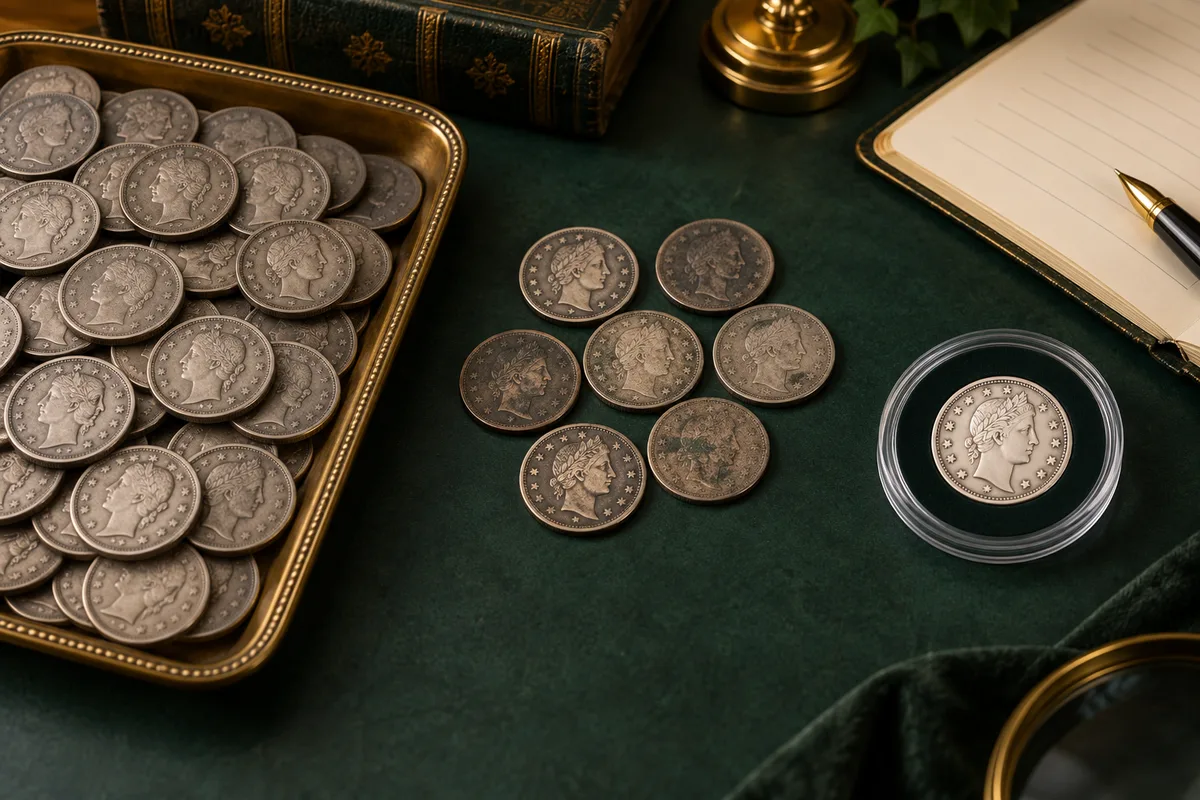
Four numbers to keep separate
Original mintage is the production total for an issue. Estimated survival is a research judgment about remaining examples. A grading-service population is the number it has certified at particular grades; submissions and resubmissions can complicate a simple count. Actual market availability is how many examples buyers can find now. Those numbers answer different questions and should not be substituted for one another.
Why a low mintage may still be obtainable
Collectors sometimes recognized a low-mintage issue immediately and saved many pieces. PCGS notes that the 1931-S cent was saved in uncirculated condition despite its small original output. By contrast, a higher-mintage issue that circulated heavily may have few attractive survivors. The wear pattern and survival history matter as much as the number struck.
Condition rarity
A coin may be common in heavily worn grades but scarce with strong detail, original luster, or a special designation. The 1932-D Washington quarter illustrates why a date can become much more difficult in Mint State even when circulated examples are available. Grade is not just a number: cleaning, damage, strike quality, and eye appeal affect comparability. A proof or special issue belongs to its own population and finish category.
Demand and exact attribution
A dramatic, widely collected variety can command more attention than a lower-population minor variety. PCGS uses the 1955 doubled-die cent to illustrate this difference. Likewise, an 1893-S Morgan dollar and a common-date Morgan dollar share similar silver content but face very different collector demand. Confirm the date, mint, variety, and authentication first; then research the market for that precise issue.
How to use population reports
Use population figures as a cross-check, not a census of all surviving coins. Read the service, grade, color or cameo designation, and whether the report distinguishes varieties. For valuable coins, compare more than one reference and inspect actual auction images. A single high-grade sale cannot price a lower-grade or impaired coin.
A defensible price comparison
Collect several recent completed sales of the same authenticated date, mint, variety, and grade range. Note differences in surface quality and holder designation. Separate the coin’s metal value from any collector premium, and account for fees if you are evaluating a likely sale. When evidence is thin, report a range and explain the uncertainty.
Reference reading and real specimens
Use these issue-specific sources to check actual coins. The AI illustration cannot authenticate a coin or establish a rare variety.