SALARSNET · COIN HISTORIES
Galerius Coins: Antoninianus, Radiate Fractions and the 311 Edict
Galerius was Caesar from AD 293 and Augustus from 305 until his death in 311. Institutional records document antoninianus and bronze radiate-fraction comparisons bearing his portrait. His 311 edict permitted Christian gatherings under stated conditions; a particular coin needs individual attribution.
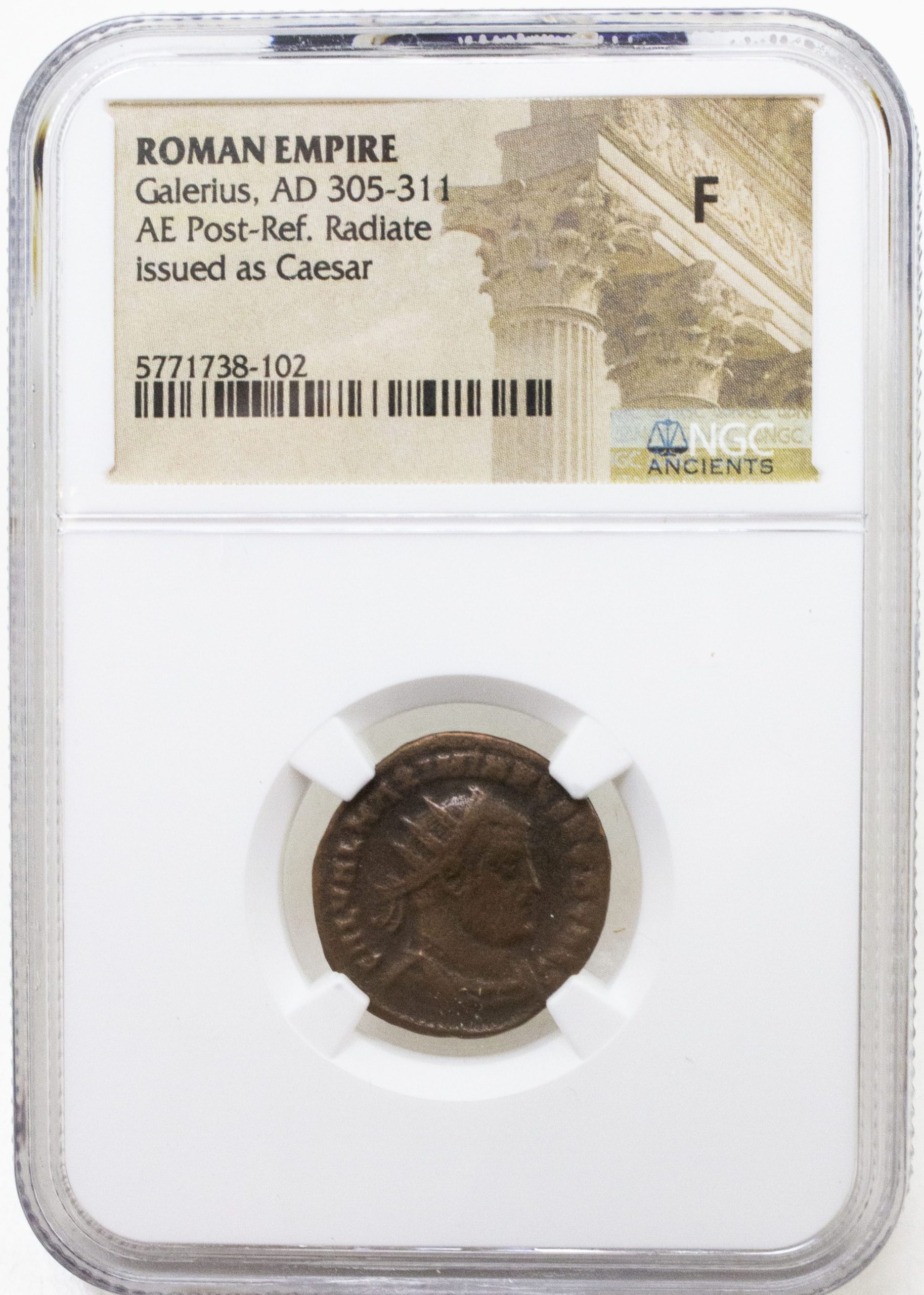
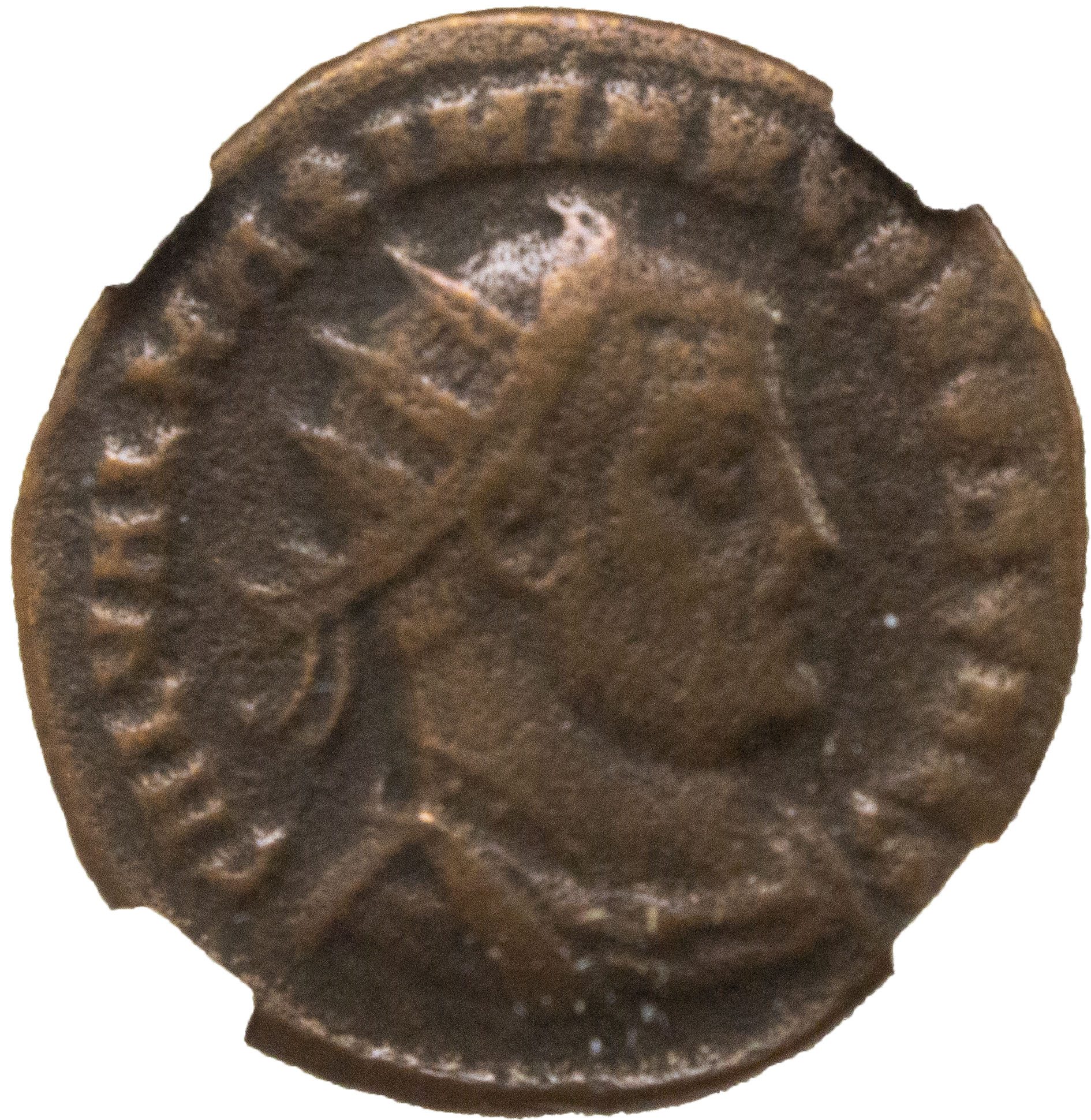
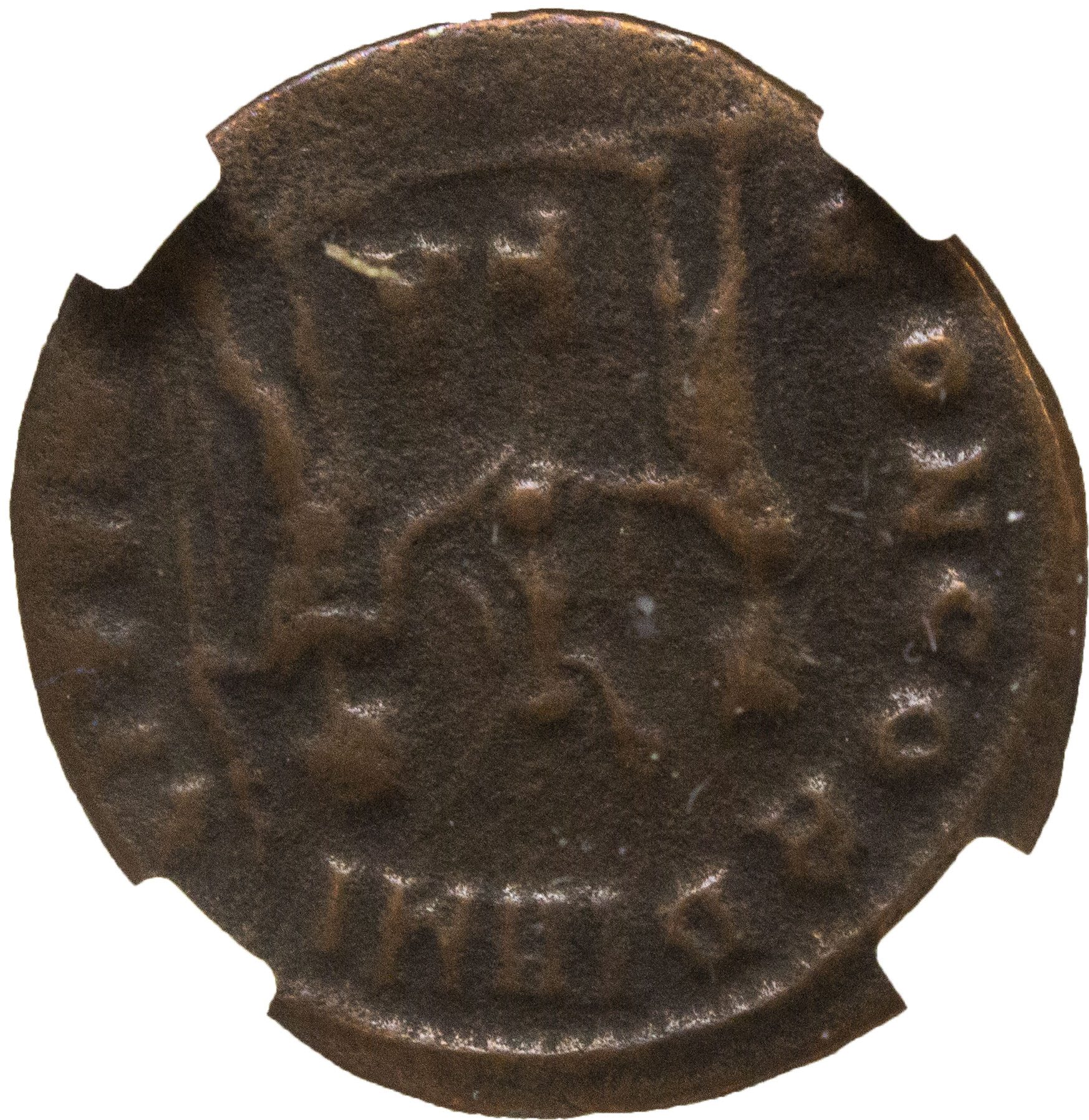
Coin facts at a glance
- Portrait attribution
- Galerius / Galerius Valerius Maximianus; Roman Empire
- Imperial chronology
- Caesar 293–305; Augustus 305–311
- Coin comparisons
- Ticinum antoninianus, 293; Cyzicus bronze fraction, 295–299
- Policy context
- Persecution from 303; conditional toleration in 311
- Individual provenance
- Not established by portrait, design or ruler’s dates
History of the coin
Galerius as Caesar and Augustus
Galerius entered the Tetrarchy as Diocletian’s eastern Caesar in AD 293. After Diocletian and Maximianus Herculius abdicated in 305, he became Augustus. He died in 311. The supplier’s AD 293–311 heading spans both ranks, not eighteen years as a senior emperor and not the striking dates of every coin bearing his portrait.
His name included Valerius Maximianus, which can make an incomplete coin inscription misleading. He is distinct from Maximianus Herculius and from his nephew Maximinus II Daia. Check the entire surviving legend, title, design and mint evidence rather than treating MAXIMIANVS alone as a complete identification.
References: Michael DiMaio, Jr.: Galerius, De Imperatoribus Romanis; American Numismatic Society OCRE: RIC V Diocletian 713; American Numismatic Society OCRE: RIC VI Cyzicus 19b; ECC: exact Galerius NGC F ANT offering.
Two radiate comparisons, two catalog denominations
OCRE RIC V Diocletian 713 describes an antoninianus from Ticinum dated AD 293. Its portrait is Galerius wearing a radiate crown, with GAL VAL MAXIMIANVS NOB CAES. Jupiter runs on the reverse holding a thunderbolt and eagle. The record’s authority field is Maximian and its material field is Silver; those are catalog fields for this comparison, not a metal assay or attribution of the offered coin.
OCRE RIC VI Cyzicus 19b instead describes a bronze fraction of AD 295–299, also with a radiate portrait of Galerius and the Caesar title. Its CONCORDIA MILITVM reverse shows the ruler receiving Victory on a globe from Jupiter. A radiate portrait therefore does not by itself make two records the same denomination. ECC’s ANT order code and bronze description should remain identified as supplier wording until the actual specimen is checked.
References: American Numismatic Society OCRE: RIC V Diocletian 713; American Numismatic Society OCRE: RIC VI Cyzicus 19b; ECC: exact Galerius NGC F ANT offering.
From persecution to conditional toleration
Galerius was associated with the persecution of Christians begun in 303. In 311 his toleration edict allowed Christians to resume their religion and gatherings, subject to public-order conditions, and called on them to pray for the emperor and state. The university-hosted translation preserves the edict through Lactantius; it is a political document with its own justificatory language.
The 311 text is distinct from the later 313 arrangements of Constantine and Licinius. Those later measures addressed restoration of Christian meeting property. Reading them together must not move the 313 provisions back into Galerius’s edict or turn his policy change into a personal conversion.
References: Michael DiMaio, Jr.: Galerius, De Imperatoribus Romanis; Fordham Internet History Sourcebooks: toleration texts of AD 311 and 313.
What measurements and fiction can establish
The supplier gives a general 24–28 mm size range and a separate 48.4 g holder/package entry. Neither supplies an individually verified coin weight, and the institutional comparisons do not identify a reserved ECC specimen. Their mints, dates, metals and designs are evidence for comparing types, not information to transfer automatically to another coin.
“The Sound Outside” imagines a private gathering at Nicomedia after the 311 announcement. Its broken bench, carpenter, host, memories and choices are invented. A decree can be documented without documenting how these particular people responded; the story establishes no actual congregation, rule of admission or coin provenance.
References: American Numismatic Society OCRE: RIC V Diocletian 713; American Numismatic Society OCRE: RIC VI Cyzicus 19b; ECC: exact Galerius NGC F ANT offering; Fordham Internet History Sourcebooks: toleration texts of AD 311 and 313.
Historical fiction inspired by this coin type
These stories imagine people and events around the coin type. They are separate from the documented history and do not describe the provenance of an offered specimen.
The Sound Outside
5 minute read · 917 words
Original historical fiction in an imagined private household at Nicomedia after the AD 311 toleration announcement. Timotheos, Marcellus, Anna, their families, the bench, payments and particular coins are invented; this is not the provenance of a supplied coin.
The man who had broken the bench came back carrying a hammer. Timotheos saw it first, hanging from the belt beside his tunic, and put his hand against the door.
“I heard you were meeting,” Marcellus said.
“Who told you?”
“Your sister.”
Timotheos wished she had spoken to him before speaking to anyone else. She had said the announcement meant people could gather again. He had said that he would open his house. Neither had discussed who might come through the door.
In the street outside, Nicomedia was going about its morning. Marcellus stood aside for a woman carrying water, then moved back. He was older than he had been when Timotheos last saw him work. There was a gray patch in his beard, and he wore the same leather belt with a new hole cut beside the old ones.
“I brought wood,” he said.
A boy behind him held two lengths against his shoulder. Timotheos had not noticed the boy. He looked like Marcellus around the eyes.
“My son,” the carpenter said. “He'll help carry it.”
Timotheos glanced toward the covered part of the courtyard, where the bench rested against a wall. One leg had been broken; the seat bore a deep split. He had kept it because it was his, and because throwing it away would have required him to decide what to do with the empty place.
“You know what happened to it,” he said.
“Yes.”
“You did it.”
“Yes.”
Marcellus did not look at his son. The boy stared down at the wood.
“They told me to,” the carpenter said.
Timotheos took his hand off the door. “We both remember what they told you.”
“I am not saying that makes it right.”
“But you have said it first.”
A neighbor had given him that bench years before the soldiers came. Timotheos remembered people moving over to make room, knees touching, someone always claiming that the shortest person required the most space. Marcellus had fitted its new leg then. Later he had struck that leg until it broke. He had known exactly where to put the hammer.
From inside the house Timotheos heard his sister call him. He did not answer.
“I can mend it outside,” Marcellus said. “You needn't let me in.”
“That is not what you came for.”
“No.”
They stood at the threshold. Timotheos wanted an apology large enough to cover the years between them. He could not imagine its words. He could imagine Marcellus saying them and himself remaining where he was.
Old Anna arrived with her daughter. She greeted the carpenter by name, then asked whether there was somewhere to sit. Her daughter was supporting her elbow and carrying a small jar of oil at the same time.
“My knees won't let me stand through it,” Anna said.
“There is a stool.”
“One stool?”
“The bench is broken.”
“I remember.”
She looked past him, toward the wall. Then she looked at Marcellus’s wood. She had understood too much too quickly. Timotheos moved to let her pass.
Her daughter set down the jar and came back with two small coins. “Will someone buy more oil? My brother will bring a lamp.”
“I can send my boy,” Marcellus said.
The boy lifted his head. Timotheos saw how eager he was to be given an errand that took him away from the doorway.
“Set down the wood first,” Timotheos said.
They put it against the outside wall. The daughter gave the boy the money and told him which seller to use. He went quickly, without looking back at his father.
Timotheos's sister appeared in the courtyard. She saw Marcellus and stopped.
“I said he could ask you,” she told Timotheos.
“He has asked.”
“I didn't promise more.”
He nodded. He had wanted to accuse her of arranging everything. She had left him the decision, which felt worse just then.
Marcellus began picking a loose fiber from the end of a board. He stopped when he noticed Timotheos watching.
“Help me carry it,” Timotheos said.
They brought the bench into the street. Timotheos supported the broken end; Marcellus took the other. Neither could put it down alone without tipping it. For a moment they had to tell each other what to do.
They rested the seat on the lengths of wood. Marcellus examined the split. He moved his fingers along it, then held them still.
“It won't look as it did.”
“I can see that.”
“It can hold.”
Timotheos waited for him to say something about himself. The carpenter only unfastened his tools.
“Work here,” Timotheos said. “I'll bring water.”
“And afterward?”
“Today, work here.”
Marcellus looked toward the open door. Anna was settling herself on the stool, slowly, while her daughter held her arm. Timotheos’s sister was making room for the people arriving behind them.
“All right,” he said.
Timotheos fetched water. When the boy returned, he carried the oil inside himself and gave back the change. Timotheos thanked him. The boy looked from the people in the courtyard to his father working outside, then went back to help hold the wood.
They began without the bench. Someone moved so Anna’s daughter could sit on the floor beside her. Timotheos remained near the doorway. From the street came a measured tapping, then a pause, then another.
Anna turned her head toward the sound. Timotheos expected her to speak to him. Instead she shut her eyes and folded her hands. He sat down where he was, with the door open beside his shoulder.
Documented and imagined
Galerius’s Caesar/Augustus chronology, persecution context and 311 edict are documented, as are radiate coin comparisons. The household, damaged bench, past coercion, repair, oil errand, gathering and dialogue are invented. The story establishes no actual local decree implementation, property restitution, congregation policy, ancient price or coin provenance.
Historical references and product evidence
- Michael DiMaio, Jr.: Galerius, De Imperatoribus Romanis ↗
Scholarly chronology checked for Caesar in 293, Augustus in 305, death in 311 and persecution context. Uncertain early biography and disputed details of military campaigns are omitted.
- American Numismatic Society OCRE: RIC V Diocletian 713 ↗
Full institutional page checked in browser: Ticinum, 293, antoninianus, Galerius radiate portrait and Caesar legend, Jupiter reverse. Authority Maximian and material Silver are comparison catalog fields, not an attribution or assay of the offered coin.
- American Numismatic Society OCRE: RIC VI Cyzicus 19b ↗
Full type description checked in browser: bronze fraction, 295–299, Galerius radiate portrait, Caesar legend, CONCORDIA MILITVM and Jupiter/Victory design. Linked specimens have varying inherited labels; the type description is distinguished from specimen captions and from the ECC offering.
- ECC: exact Galerius NGC F ANT offering ↗
Exact public page checked October 5: ANT order code, F, bronze, portrait, various reverses, 24–28 mm general size range, four representative photos, 48.4 g package entry and Out of stock. Generic fields do not establish a precise type. No current commercial field changed.
- NGC: guarantee for ancient-coin grading ↗
Official terms checked: grade guarantee is distinct from authenticity and attribution opinions; no new grading or certification claim added.
- Fordham Internet History Sourcebooks: toleration texts of AD 311 and 313 ↗
University-hosted translation from Lactantius checked for the 311 allowance of Christian gatherings, public-order condition and requested prayer. Distinguished from 313 property-restoration provisions. Text is paraphrased; its imperial justification is not adopted as an impartial account.
Sources distinguish institutional and independent type research from supplier evidence about a particular offering. Research dates do not establish current inventory.