U.S. COIN ERROR GUIDE
Errors on U.S. cents, nickels, and early copper
Small denominations span many metals and production methods. A feature that is unusual on one issue can be normal on another, so begin with the exact date and type.
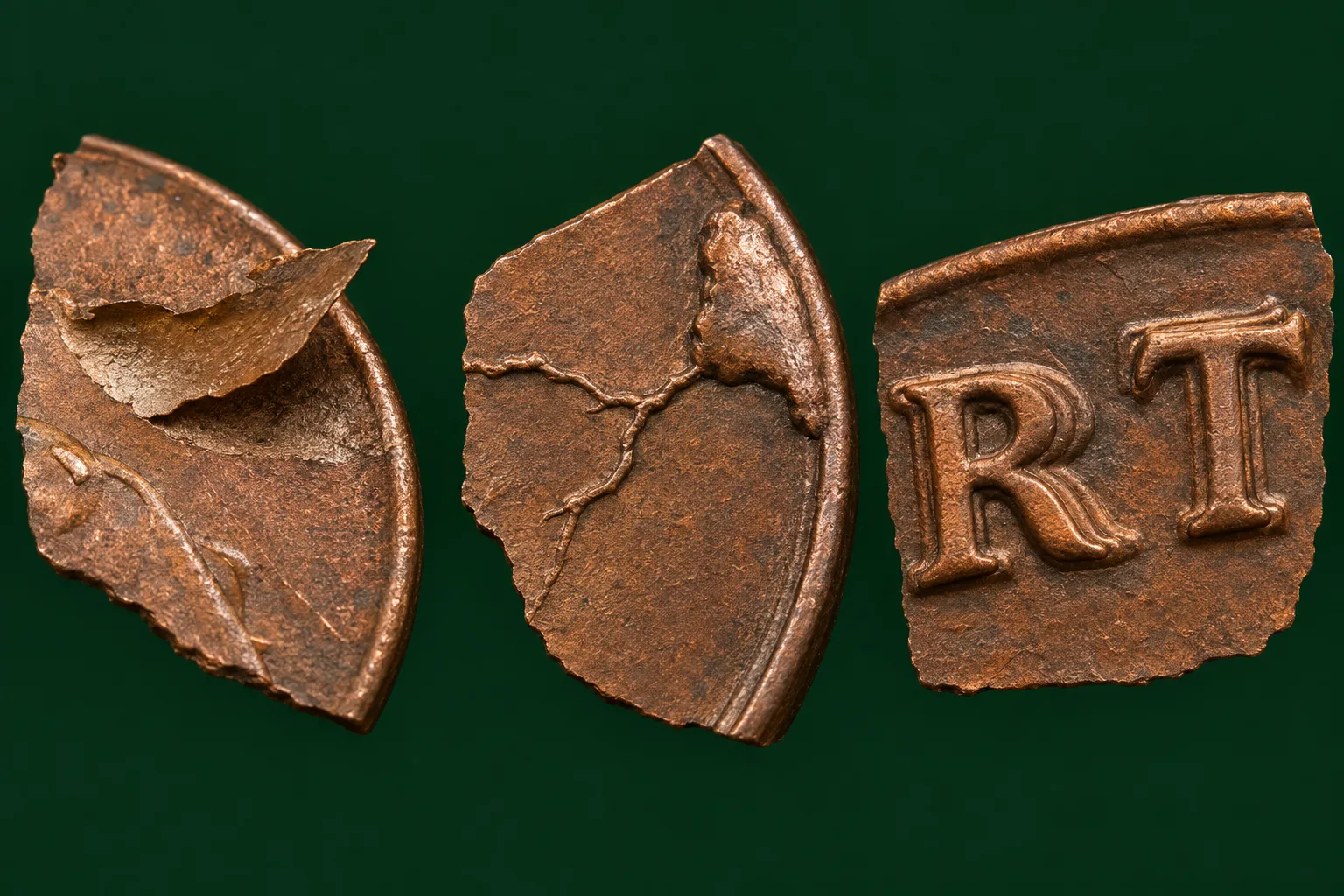
Half cents and large cents
Early copper often has planchet irregularities, die cracks, and heavy circulation wear. Compare the edge, diameter, and known die varieties before labeling a surface flaw an error.
Small cents and two-cent pieces
Check metal and date first. Doubled dies, clipped blanks, off-center strikes, and die breaks are possible, while corrosion, plating changes, and cleaning can mimic a mint-made feature.
Three-cent pieces and nickels
Silver and nickel three-cent pieces differ in composition. For Shield, Liberty, Buffalo, and Jefferson nickels, inspect both faces, edge, date, mintmark, and the exact design subtype. A weak strike may resemble a missing detail.
Modern small-coin photos
Close focus, diffuse light, and a second angled view are especially useful for tiny die details. Keep scale and orientation consistent when comparing to reference images.
Early copper needs a different baseline
Hand-prepared or early machine-made planchets can show irregular texture, and old copper develops corrosion and porosity. On half cents and large cents, separate the original strike from later wear before judging missing detail. A raised die break can be part of an established die-state sequence; a hole, scrape, or rough patch is not proof of a mint error. Early types also require the correct diameter, edge, and die pairing for the date.
Small cents: metal and plating first
The cent series spans copper, steel, and copper-plated zinc issues. A magnetic response, color, or exposed zinc can be expected or abnormal depending on the year. For a suspected off-metal strike, start with official mass and diameter specifications and then seek composition testing if the measurements support the claim. Plating bubbles on modern cents can look like raised die chips, while corrosion can imitate missing plating.
Nickel design details can be weak
Shield, Liberty Head, Buffalo, and Jefferson nickels have different designs and mintmark positions. A weak Buffalo date or worn lettering is not automatically a filled-die error. A true doubled-die claim needs matching, repeated markers; a flatter shelf along an edge may be machine doubling. Photograph the complete obverse and reverse, then a sharp macro of the exact feature under two light directions.
Historical varieties and current price
A known doubled die or die state may be collectible, but a recognized label and condition matter more than a dramatic nickname. PCGS’s discussion of doubled dies explains the distinction from a double strike and machine doubling. Compare sold coins bearing the same attribution and similar grade, not any coin of the same denomination with “error” in a listing title.
Reference reading and real specimens
Use these source photographs and specifications to check an actual coin. The AI illustration above cannot authenticate a coin or show an exact die marker.