U.S. COIN ERROR GUIDE
Planchet and metal errors on U.S. coins
The planchet is the prepared blank before a coin is struck. A defect or wrong blank can create a real mint error, but missing metal and unusual color also have ordinary explanations.
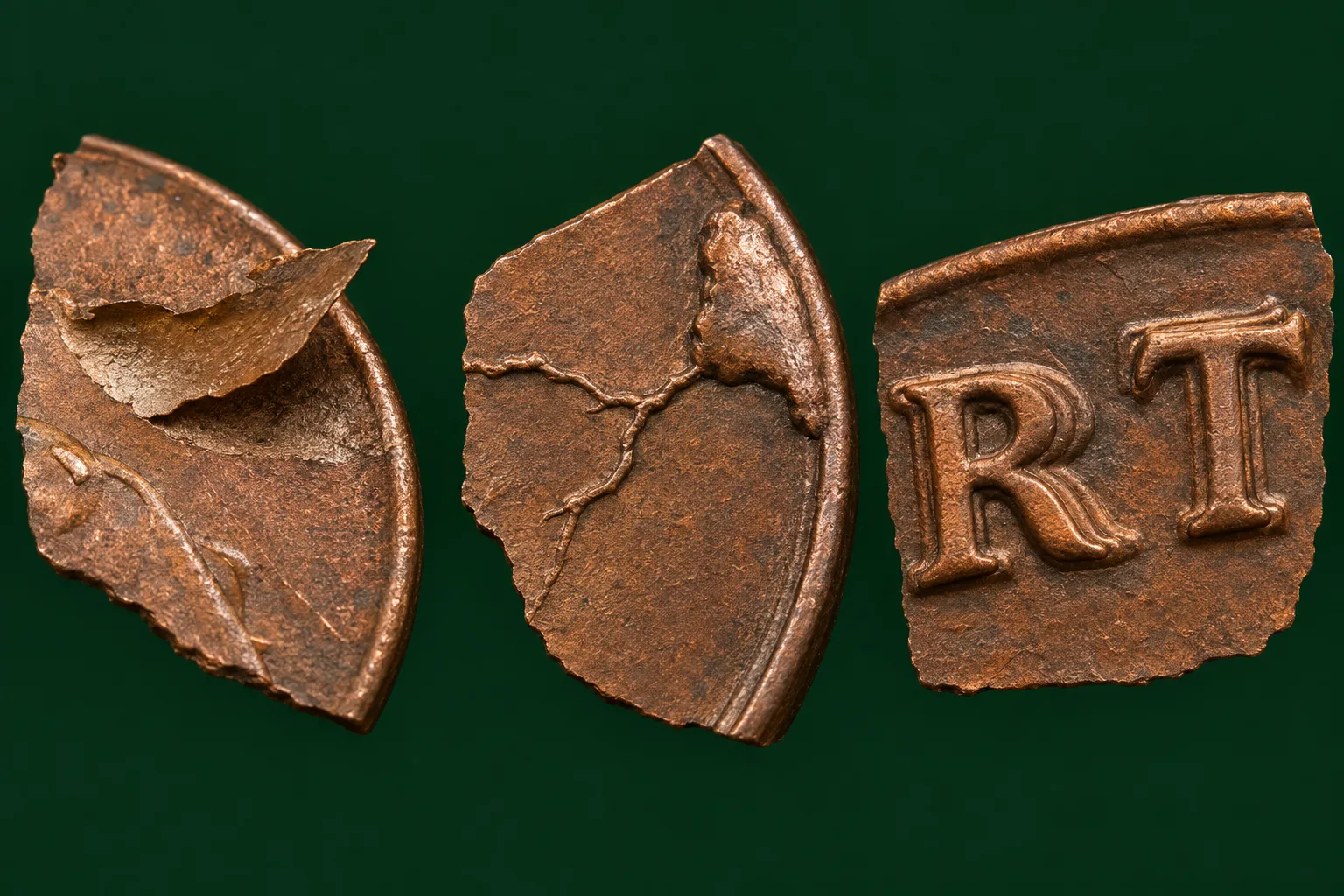
Clips and incomplete blanks
A curved, straight, or irregular missing portion may begin when the blank is cut. Examine the rim, opposite side, and metal flow. A cut made later often has a different surface and edge.
Laminations and flaws
Alloy separation can leave a peel or split. Corrosion, plating blisters, and impact damage may look similar. Photograph the transition in raking light; do not scrape or clean it.
Wrong stock and wrong planchets
A wrong-planchet claim needs weight, diameter, thickness, edge, and metal evidence together. Compare those measurements with the correct specifications for the date and issue. Color alone is weak evidence.
Missing clad layer
On clad issues, one face may show exposed copper if a layer was absent before striking. Environmental discoloration and chemical alteration can imitate this. Verify mass and surfaces before assigning the error.
How a clip differs from a later cut
A curved clip follows an overlapping blank punch; a straight or ragged clip has a different origin in the strip or blank. On some genuine clips, the rim opposite the missing area is weak because the upsetting mill could not press against a complete circle. That “Blakesley effect” is useful supporting evidence, although it is not present on every clipped coin. A sharp tool cut, fresh exposed edge, or displaced burr argues for later damage. Compare the edge and both faces, not the silhouette alone.
Lamination, split, and plating
A lamination is a separation within metal stock. It may leave an attached flap or a recessed area with the original struck surface interrupted. A split planchet separates more extensively. Modern plated cents can instead blister, corrode, or lose plating after manufacture. Look at the boundary under raking light: an original metal layer has a different structure from glue, residue, or a scraped surface. Never peel a flap to investigate it.
The measurement test for wrong metal
A genuine wrong-planchet or wrong-stock coin may differ in mass, diameter, thickness, and how design reaches the rim. Compare with the official specifications for the precise date and issue; special collector strikes can differ from circulating versions. Use a calibrated scale and measure in grams. A kitchen scale, a color cast from lighting, or an apparent lack of a copper stripe is too weak to support an off-metal claim. Authentication may require nondestructive composition testing.
Missing clad layer and false copper faces
A missing outer clad layer can expose the copper core across a face and reduce expected mass. Discoloration, plating, environmental damage, or alteration can also make a coin look copper. Examine whether the boundary is consistent at the edge and whether the struck design flows naturally into the exposed surface. Compare a known genuine example before listing it as a missing-layer error.
Reference reading and real specimens
Use these source photographs and specifications to check an actual coin. The AI illustration above cannot authenticate a coin or show an exact die marker.