U.S. COIN ERROR GUIDE
Die errors and varieties on U.S. coins
A die carries the design to many coins. A repeating design difference is usually a variety; a die that chips or breaks can create raised marks on later strikes.
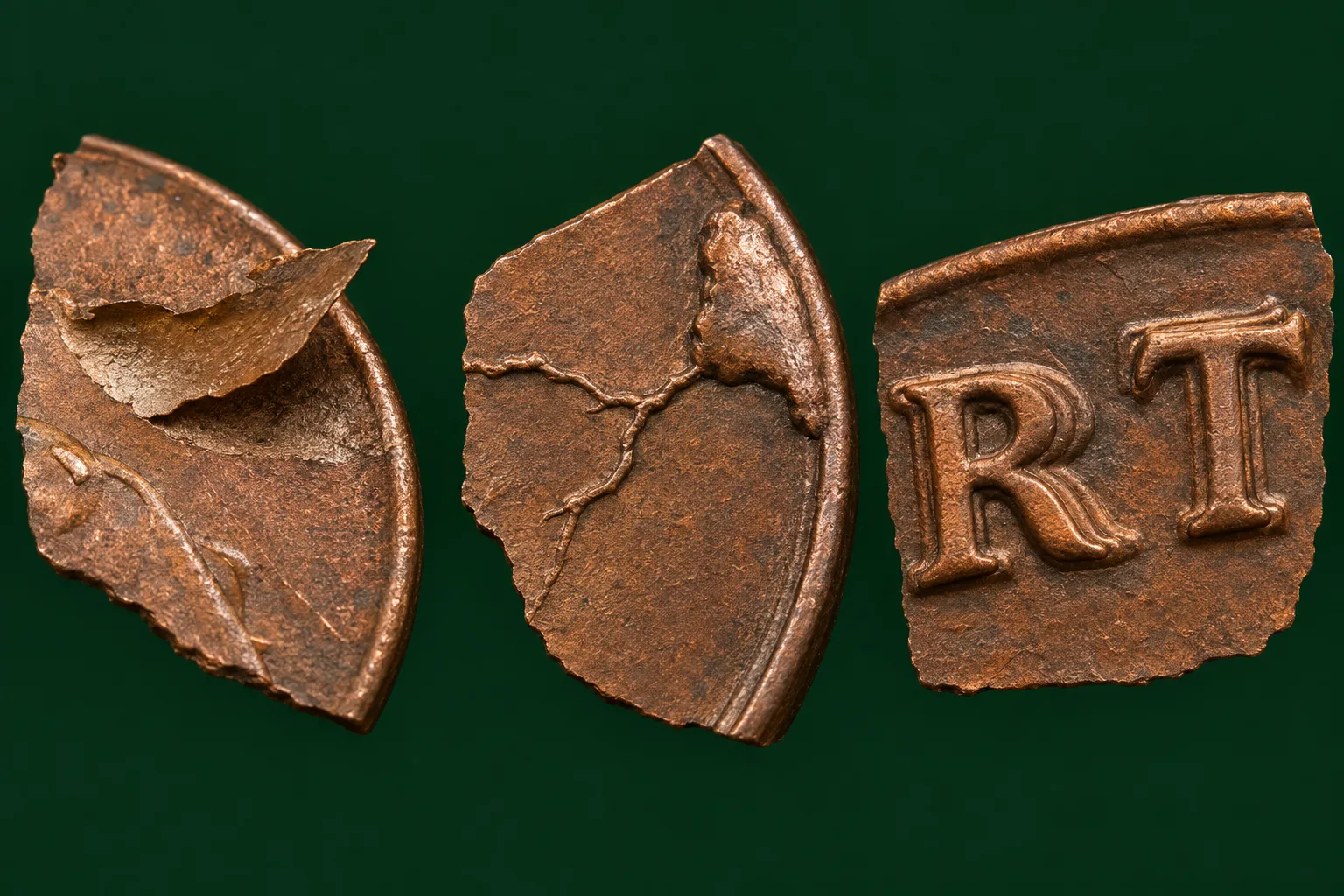
Die cracks, chips, and cuds
A crack or missing part of the die can leave raised metal on a coin. A cud reaches the rim. Incuse scratches are commonly damage to the coin rather than a raised die defect.
Doubled dies
A true doubled-die variety is built into the die and repeats on coins from it. Machine doubling is usually flatter and does not create a new die variety. Match the exact date, mintmark, position, and shape to a reference.
Mintmarks and design changes
Repunched or overmintmark details and intentional design changes require precise attribution. Date and mintmark conventions changed over time; never infer the mint from one photo or a missing mark alone.
Die clashes and polish
Clashing dies can transfer traces of the opposite design. Die polishing can remove small details. Compare with published die markers before treating missing or ghosted details as a scarce variety.
Relief is the first clue
A crack in a die is a recess in the tool, so metal can flow into it and leave a raised line on coins. When part of the die at the edge breaks away, the result can be a raised, rim-connected cud. A gouge or scratch cut into the coin is usually incuse. Rotate a single light around the coin to distinguish a raised ridge from a trench, then inspect the reverse and adjacent devices for related evidence.
Why a doubled die repeats
A doubled die carries the design difference in the die itself. Coins from that die repeat the same spacing and shape at the same locations. Mechanical or machine doubling occurs during striking and often leaves flattened, shelf-like secondary edges. A double strike can shift much more of the design and is a separate striking error. Use the exact date, mint, obverse or reverse, and published markers; magnification alone does not establish an attribution.
Variety references are issue-specific
Repunched details, overdates, mintmark placement, die clashes, and polishing must be judged against the production method of that year. For example, mintmark application changed over time, so one universal rule about doubled mintmarks would be misleading. A match to one unusual letter is weaker than a match to several independent die markers. Record the reference number when one exists and explain which markers are visible.
Common names can overstate significance
A tiny die chip may be mint made and still common. A dramatic cud can be both a die-state feature and a sought-after error. Collectors use “error” and “variety” differently, and PCGS notes overlap between them. Describe the physical feature first; add a recognized variety name only after confirming it against reference images.
Reference reading and real specimens
Use these source photographs and specifications to check an actual coin. The AI illustration above cannot authenticate a coin or show an exact die marker.